
Oiran Illustration Collection (English Version)
Introduction
The “Yoshiwara” district of the Edo period was a licensed pleasure district in Edo-period Japan—a unique world of entertainment where art, fashion, and social status converged.
It was also a place shaped by the vision of figures like Tsutaya Juzaburo, a pioneering publisher who helped develop an early form of modern media and culture.
At the heart of this world were the women who lived and worked there.
Many were sold into the district at a young age and forced to endure harsh conditions, often facing tragic fates.
It is important not to romanticize their suffering or reduce them to mere “victims,” as such a perspective risks diminishing the complexity of their lives.
Yet among them were women who rose through the ranks with remarkable resilience.
The Oiran—high-ranking courtesans trained in refined arts and culture—embodied both beauty and intellect. I often ask myself: is it truly respectful to see them only as figures of pity?
Does such a view overlook their dignity, their pride, and the artistry they cultivated within such constraints?
They carried a heavy fate, yet refined their presence to an extraordinary level.
Like beings shaped by desire, they were also individuals with inner strength that transcended their circumstances.
It is this duality—the tension between constraint and dignity—that inspires my work.
Featured Works
“Botan” (Peony)
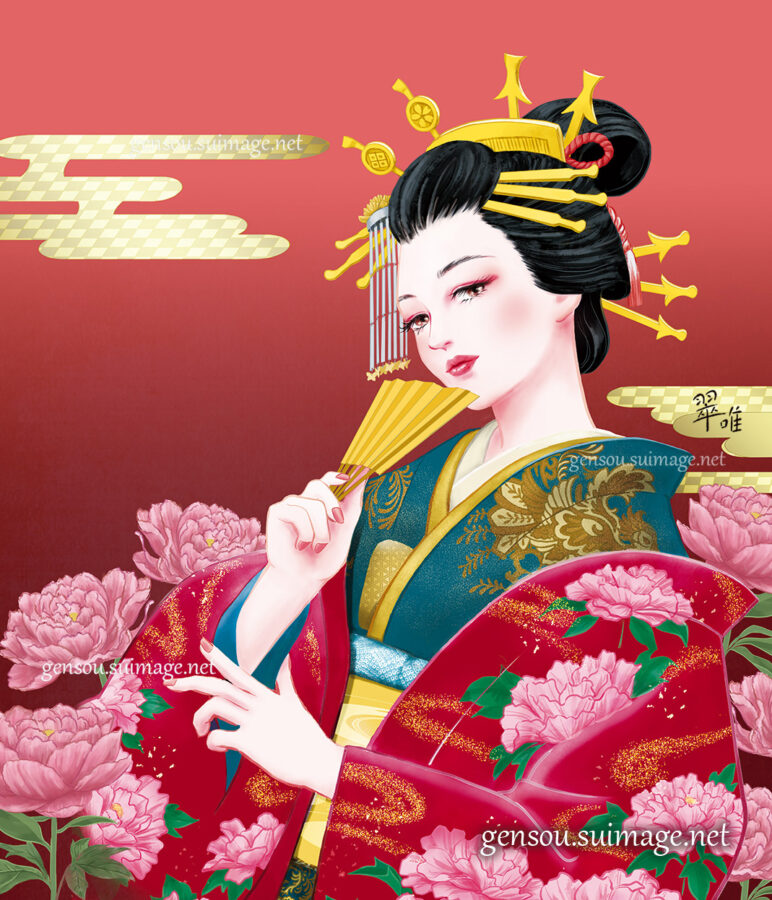
Inspired by the female Shogun Tsunayoshi, portrayed by Riisa Naka in the Japanese TV drama Ooku, which depicts an alternate history where women rule as shoguns.
She is imagined as a figure of regal presence, blooming as brilliantly as a peony in full bloom, yet concealing deep sorrow and loneliness within.
In this work, I reinterpreted her in an ornate style reminiscent of an Oiran—a high-ranking courtesan known for her elaborate fashion and refined artistry.
This fusion of authority and elegance reflects both her power and her inner fragility.
Like a plucked peony, her fate is portrayed as both tragic and magnificently beautiful.
“Kobai” (Red Plum)
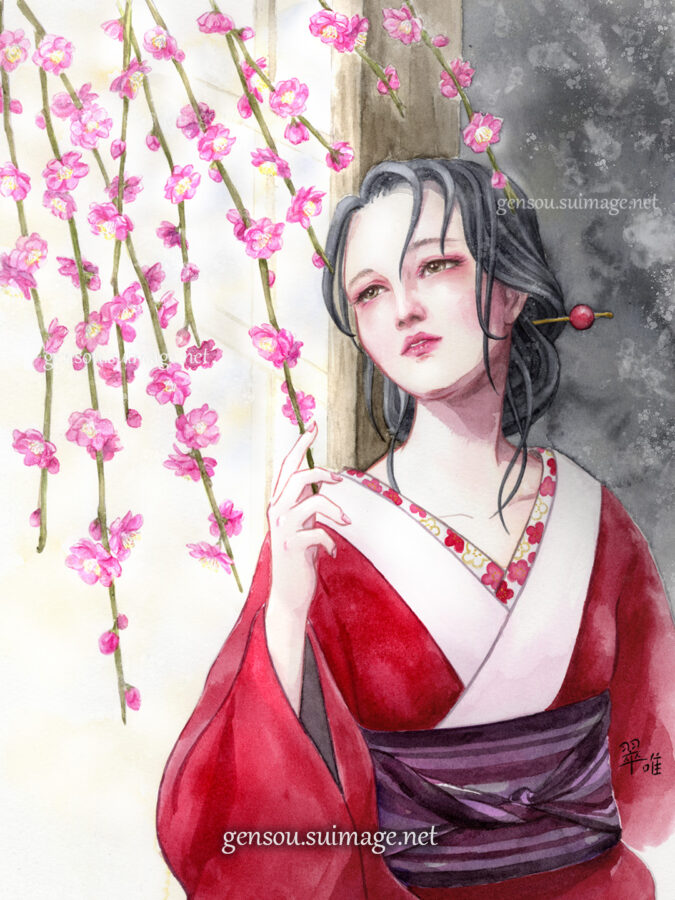
This piece portrays an imagined courtesan.
She has fallen in love with a man and, out of devotion, has paid the price that should have been his to bear. Yet the man who promised to return never comes.
“The flowers bloom when the season arrives, even if the one who promised does not.”
She murmurs this to herself upon noticing that the plum blossoms have quietly come into bloom while she was waiting.
In her world, the rhythm of nature remains certain and unchanging, while human hearts are fragile and unreliable.
Perhaps many women like her found themselves seeking solace in the quiet certainty of the seasons.
“Mokuren” (Magnolia)
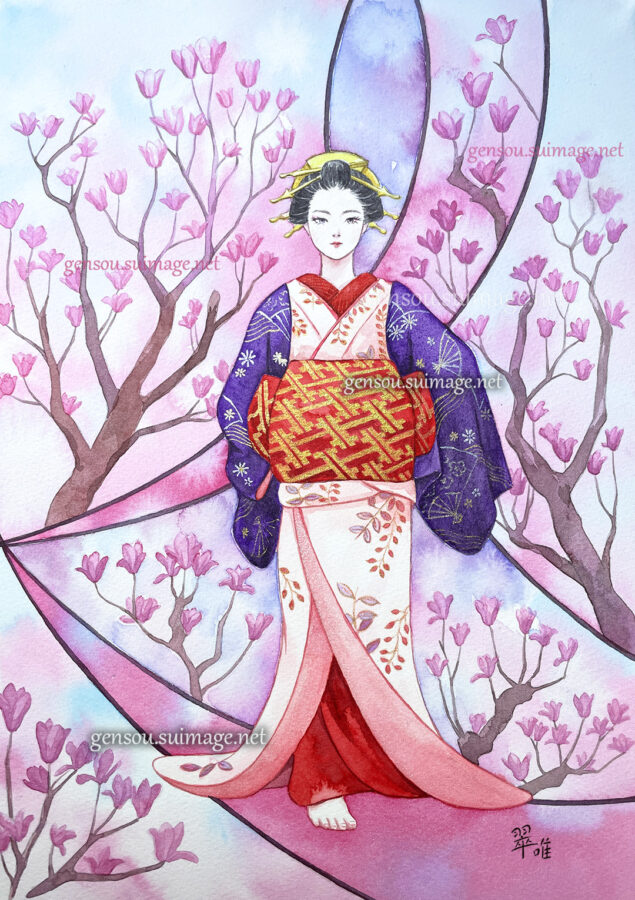
This piece is inspired by Hananoi (later known as Segawa), a courtesan portrayed in the Japanese drama Berabou.
At first glance, she appears lively and almost boyish in her strength—bold, quick-witted, and unapologetically direct.
Yet beneath that spirited exterior lies a deep and unspoken love for Tsutaju, a love that may never be fulfilled.
The image that came to mind when envisioning her was the magnolia.
Like its blossoms, she carries both grace and quiet resilience.
Bearing the weight of her elaborate attire and the burden of her fate, she walks forward with dignity.
There is a serene beauty in her way of life—strong, restrained, and profoundly moving.
“Neo Tokyo”
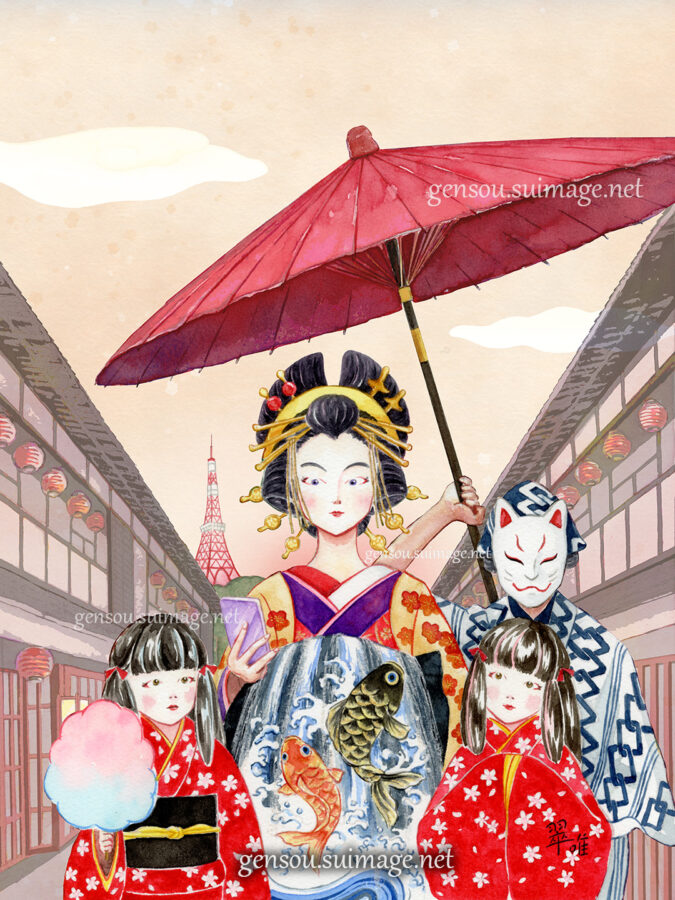
At first glance, this appears to be a traditional Oiran Dochu—the grand procession of a high-ranking courtesan.
But look a little closer.
The Oiran is taking a selfie.
If you noticed that, you’re absolutely right.
This is my imagined “modern-day” version of the Oiran Dochu.
While the Oiran captures her own image, her young attendants casually enjoy colorful treats like rainbow cotton candy.
Elements of contemporary culture quietly slip into this otherwise historical scene.
The title Neo Tokyo reflects the city itself—a place where old traditions and new cultures constantly blend and coexist.
The image of the Oiran continues to evolve, and each new idea opens the door to another interpretation.
I hope to explore more of these visions in future works.
Message
The concept of “Oiran” sparks endless imagination.
I will continue to create as inspiration strikes.
If you are interested in illustrations like the ones featured here, please feel free to reach out via the inquiry button below.
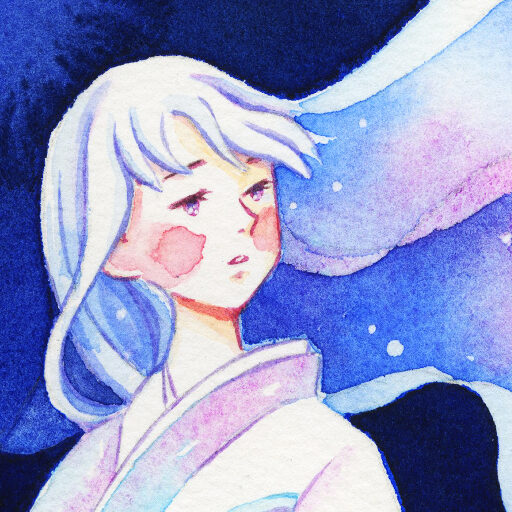
About the Artist: Sui (翠唯)
I am a Japanese illustrator based in Japan.
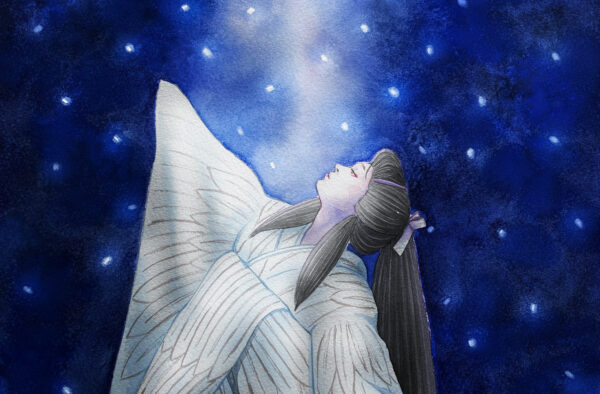
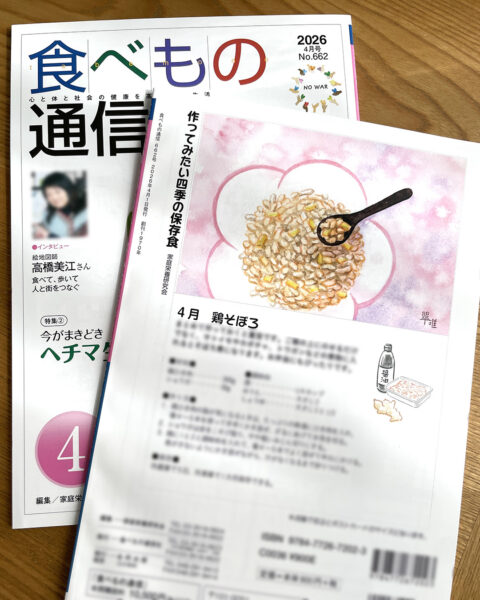
My work focuses on capturing the ethereal and fantastical beauty of Japanese traditions, aesthetics, and culinary culture.
For professional inquiries, please feel free to contact me via the “MAIL” link.
“Oiran Illustration Collection (English Version)” に対して1件のコメントがあります。
コメントは受け付けていません。